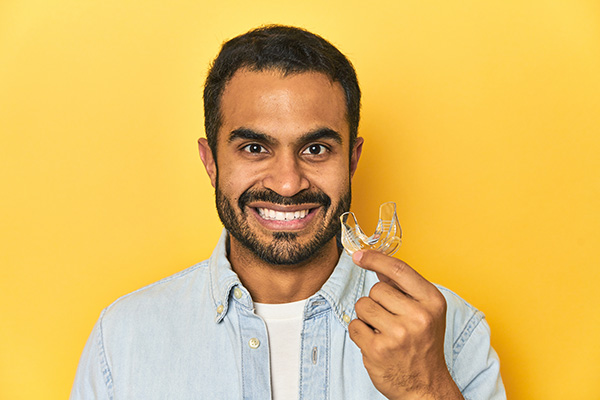
Invisalign® for Teens


Invisalign® offers a modern alternative to traditional braces: a nearly invisible system of custom-made aligners that gradually shift teeth into healthier, more balanced positions. Engineered with digital planning and precision manufacturing, clear aligners allow many patients to straighten their smiles with fewer lifestyle interruptions and predictable, clinically driven stages of movement.

Invisalign® for Teens

Invisalign® for Brides

Invisalign® for Travelers
Before & After Photos
Invisalign® Videos
FAQs
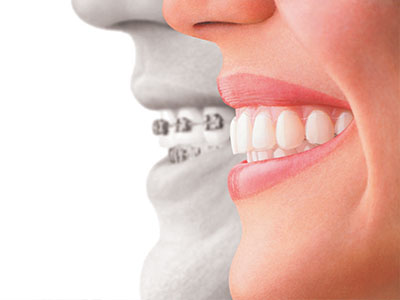
Invisalign® vs Braces
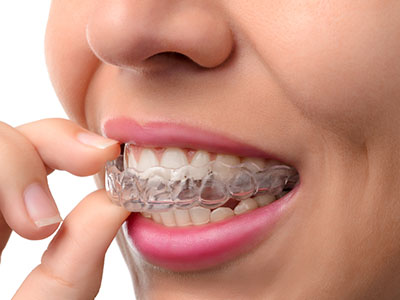
Invisalign® vs Direct-To-Consumer Aligners
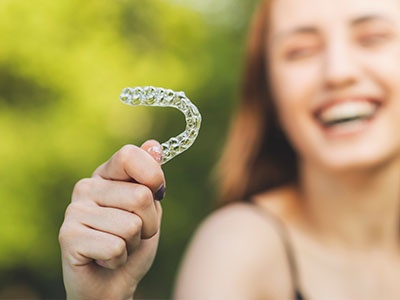
Is Invisalign® Right For Me?

Invisalign® Costs
Because the aligners are transparent and low-profile, most people notice only subtle changes as treatment progresses. The discreet nature of the system makes it appealing for adults and teens who prefer a less conspicuous approach to orthodontic care while maintaining normal daily activities.
Contemporary clear aligner therapy begins with high-resolution digital scans that capture the precise relationship of your teeth and bite. Those scans feed into specialized software that maps a step-by-step movement plan from the starting alignment to the final, intended position. This virtual roadmap guides the fabrication of a series of aligners, each one programmed to achieve incremental shifts over a defined period.
Each aligner is worn for a prescribed length of time, typically one to two weeks, before progressing to the next in the series. Small, controlled forces applied by each aligner guide teeth into place; when combined over the full sequence, these forces produce predictable, cumulative changes. Many treatment plans use optional attachments or precision cuts to assist with rotations, vertical movements, or other specific tooth motions.
Technology also allows clinicians to preview likely outcomes, simulate intermediate stages, and make informed adjustments before production. This level of planning improves coordination between aesthetic goals and functional needs, so the final result supports both appearance and oral health.
Clear aligners can address a wide range of alignment and bite concerns. They are commonly used to correct mild to moderate crowding, spacing, and certain bite irregularities. Because the approach is removable, patients who prioritize oral hygiene, sports, or public-facing careers often find aligners easier to integrate into their routines than fixed appliances.
Adolescents and adults are frequent candidates. Younger patients may benefit when development and compliance allow the treatment team to monitor progress and guide growth. For adult patients, aligners provide a discreet way to pursue orthodontic improvement while preserving daily habits around eating and social interaction.
A thorough clinical evaluation is the best way to determine candidacy. That evaluation considers the bite relationship, jaw health, periodontal status, and overall dental restorations. Where concerns exceed what clear aligners can safely address alone, a combined approach or alternative orthodontic options may be recommended to achieve a stable, healthy result.
Treatment typically begins with an in-depth consultation and a fast, precise digital scan of your mouth. Your provider will review the scan, discuss objectives, and show a projected sequence of movements, allowing you to see the intended progression before any aligners are made. This planning session sets the expectations for timing and the overall commitment involved.
Once your aligners are ready, you’ll be instructed on when and how long to wear them each day; most plans recommend wearing aligners for the majority of waking hours to maintain consistent pressure and predictable progress. Routine check-ins with your clinician ensure the plan is tracking as expected and provide opportunities to make minor adjustments when needed.
Because aligners are removable, there are a few practical habits to adopt: take them out to eat, clean them regularly, and maintain diligent brushing and flossing to protect teeth and gums. Following these simple practices helps preserve oral health while allowing the treatment to move forward smoothly.
One of the clear aligner system’s most practical benefits is the way it integrates into everyday life. With no brackets or fixed wires, many patients experience fewer soft-tissue irritations and find it easier to maintain oral hygiene. Removability also allows for unaltered eating and the convenience of taking aligners out briefly for important events when necessary.
Precision manufacturing and the use of clinically validated movement protocols contribute to predictable staging of corrections. In addition to cosmetic improvements, addressing alignment can improve chewing efficiency, reduce abnormal wear, and make oral care more effective, outcomes that support long-term dental health beyond the cosmetic benefit of a straighter smile.
Because each patient’s case differs, treatment objectives are individualized to balance esthetic aims with functional goals. An informed discussion with your clinician will outline what improvements are realistic for your situation and how aligners will be applied to meet those goals.
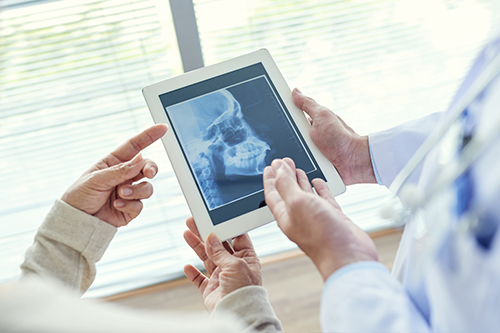
We begin with a comprehensive exam and digital imaging to identify alignment issues, discuss your priorities, and define the treatment objectives we will pursue together.
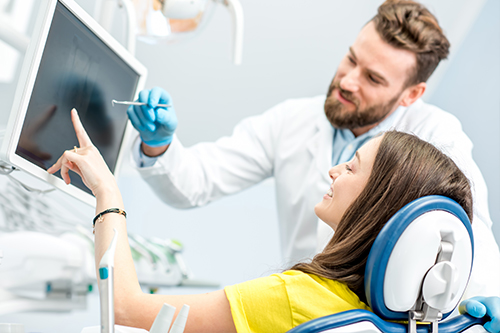
Using precise scans, we map a clear sequence for tooth movement and present a visual preview of the anticipated outcome so you can see the plan before it begins.
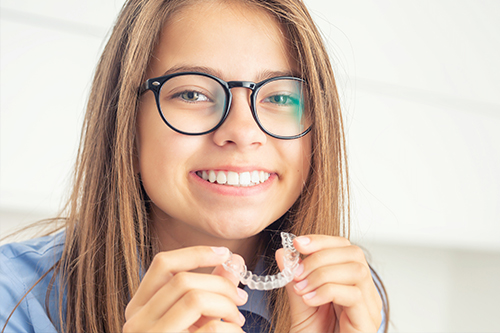
Your aligners are manufactured to match the planned sequence, with attention to fit and comfort so daily wear is manageable and effective throughout treatment.

Regular appointments allow your clinician to confirm progress, refine the plan if needed, and complete the final adjustments that deliver a stable, functional outcome.
Short clips that explain clear aligner therapy and show practical aspects of the treatment process
Successful outcomes rely on both the technology and the clinician’s experience applying it. At the practice of Portia J. Bell, DDS Inc., we combine advanced digital tools with careful clinical oversight to design treatment plans that respect each patient’s functional needs and aesthetic goals. Your provider plays an active role in sequencing movements, recommending attachments when needed, and monitoring progress to achieve a stable result.
Throughout treatment, open communication about progress and patient habits supports better adherence and helps prevent setbacks. If refinements are necessary, clinicians can use updated scans and aligners to address small differences that appear during the course of care. This collaborative process is focused on delivering an outcome that balances appearance with long-term oral health.
When considering clear aligner therapy, seek a provider who reviews the full scope of your dental health, explains the treatment logic clearly, and outlines realistic expectations for what the aligners can accomplish in your specific case.
*Invisalign® is a registered trademark of Align Technology, Inc.
Ready to learn more about whether clear aligners are a fit for your smile? Contact us to request information or schedule a consultation; our team will answer your questions and help you take the next step toward a healthier, more confident smile.
Invisalign® is a clear aligner system that straightens teeth through a series of custom-made, removable trays. Each aligner applies gentle, controlled forces to specific teeth, guiding them through small, planned movements toward the final alignment. The sequence of aligners is designed from a digital treatment plan so each step builds predictably on the last.
The removable nature of the aligners allows patients to maintain normal oral hygiene and to eat without appliance restrictions. Precision manufacturing and clinically validated staging help clinicians achieve consistent tooth movement for many common alignment concerns. Regular monitoring ensures the treatment stays on track and adjustments can be made if necessary.
Good candidates typically include adolescents and adults with mild to moderate crowding, spacing, or certain bite irregularities that can be corrected with aligner movements. A clinical evaluation is necessary to assess jaw relationships, periodontal health, existing restorations, and any functional concerns that could affect treatment planning. Compliance with wear time and follow-up appointments is also an important factor in candidacy.
Some complex orthodontic or skeletal problems may require combined approaches or alternative treatments, and a thorough exam will identify those cases. Patients who value discretion, predictable hygiene access, and the flexibility to remove appliances for short periods often prefer aligners. The final recommendation should balance aesthetic goals with long-term oral health considerations.
Treatment begins with high-resolution digital scans that capture the precise positions of teeth and the bite relationship. Those scans are imported into specialized software that maps a step-by-step movement plan from the starting alignment to the intended final result, allowing clinicians to visualize intermediate stages and refine objectives before manufacturing. This virtual roadmap is used to produce a series of aligners that enact each planned movement.
Digital planning enables clinicians to predict tooth motion, identify potential challenges, and incorporate features such as attachments or interproximal reduction where indicated. The ability to simulate outcomes prior to fabrication improves coordination between functional needs and aesthetic goals. Ongoing updates or refinements can be made if progress differs from the original plan.
Your first appointment typically includes a focused exam, digital scans or impressions, and a discussion of treatment goals and expectations. The clinician will review oral health, periodontal status, and any restorations that might affect aligner fit, and will present a projected sequence of movements so you can see the anticipated progression. This discussion establishes realistic objectives and outlines the level of commitment needed for successful results.
During the consultation you will learn about daily wear guidelines, appointment cadence, and basic care for your aligners and teeth. The clinician will explain when attachments or other auxiliaries might be used and what those steps accomplish. You should leave the visit with a clear understanding of next steps and follow-up scheduling.
Routine checkups are scheduled to monitor progress, confirm aligner fit, and make minor adjustments when needed; frequency varies by case but often occurs every 6 to 10 weeks. These visits allow the clinician to verify that tooth movement is tracking according to the planned sequence and to address any issues with compliance, fit, or oral health. Shorter or longer intervals may be recommended based on individual needs and treatment complexity.
During visits the clinician may take updated scans or photographs to document progress and determine whether refinements are required. If small discrepancies arise, new aligners or attachments can be ordered to maintain predictable results. Consistent attendance at follow-up appointments supports timely completion and better long-term stability.
Remove aligners for eating and drinking anything other than plain water, then rinse and store them in their case to avoid damage or loss. Clean aligners daily with a soft brush and mild, nonabrasive cleanser or with products recommended by your clinician; avoid hot water, which can warp plastic. Maintain diligent toothbrushing and flossing after meals before reinserting aligners to reduce the risk of decay and gum inflammation.
Regular professional cleanings and periodontal evaluations are important during treatment to monitor gum health and remove plaque that can accumulate around attachments. If staining or odor occurs, discuss safe cleaning options with your provider rather than attempting harsh home remedies. Proper hygiene supports both the aesthetics and the health outcomes of aligner therapy.
Attachments are small, tooth-colored shapes bonded to teeth to help aligners apply specific forces for rotations, tipping, or vertical movements that are difficult with aligner plastic alone. They act as contact points that increase the aligner’s grip on a tooth so targeted movements occur more predictably. Attachments are planned during the digital setup and are removed when their role is complete.
Not every case requires attachments, but when they are indicated they can improve the efficiency and accuracy of certain corrections. The bonding process is minimally invasive and typically completed in a single visit using dental adhesive. Your clinician will explain their purpose and expected duration when attachments are recommended.
Invisalign® can address many bite concerns, including mild to moderate overbite, underbite, crossbite, and open bite situations when the movements required fall within the capabilities of aligner mechanics. For more complex skeletal discrepancies or severe malocclusion, a combined approach with braces, appliances, or orthognathic surgery may be necessary to achieve stable, functional results. A comprehensive clinical exam determines whether aligners alone are appropriate.
When aligners are used as part of a multi-disciplinary plan, clinicians coordinate sequencing and adjunctive treatments to meet both functional and aesthetic objectives. Treatment planning takes into account jaw health, temporomandibular joint status, and periodontal considerations to avoid compromising long-term oral health. Clear communication about realistic outcomes is a key part of this evaluation.
Because aligners are removable, you can continue to eat most foods without dietary restrictions by taking the trays out for meals and snacks. Removing aligners for sports or musical performances is possible, but patients should follow the clinician’s guidance about wear time to maintain consistent pressure and predictable movement. Short, infrequent removals for important events may be accommodated, but routine compliance is essential for timely progress.
Aligners are low-profile and typically cause less soft-tissue irritation than brackets and wires, which many patients find more comfortable for public-facing activities or athletic participation. Speak with your clinician about protective options such as mouthguards if you play contact sports and need to remove aligners temporarily. Maintaining a consistent wear regimen is the primary factor that determines how unobtrusive the treatment will be in daily life.
Successful aligner outcomes rely on both the digital tools and the clinician’s judgment in sequencing movements, recommending attachments, and monitoring biological responses. Experienced providers interpret scan data, anticipate biomechanical challenges, and make timely refinements when progress diverges from the plan. Clinical oversight ensures that aesthetic goals are achieved without compromising function or periodontal health.
The office of Portia J. Bell, DDS combines advanced digital workflows with clinical experience to design individualized treatment plans that respect both appearance and long-term oral health. Choosing a provider who reviews the full scope of your dental condition and explains realistic expectations will help you make an informed decision about whether aligner therapy is the right choice for your smile.
Phone:
Fax:
(614) 532-7282