

When a cavity or minor fracture affects a tooth, a modern composite filling restores both form and function without drawing attention to the repair. These restorations are made from advanced resin materials that can be closely matched to your tooth shade, so the repaired tooth blends with the rest of your smile. Because composites can be shaped and polished to mimic natural enamel, they are an excellent choice for visible areas of the mouth as well as for back teeth where strength and bite alignment matter.
At Portia J. Bell, DDS Inc. we favor composite materials for many routine restorations because they balance durability with aesthetics. The resin bonds to the tooth surface, allowing us to replace only the damaged portion while preserving healthy enamel and dentin. That conservative approach helps maintain tooth integrity and can reduce the likelihood of further treatment compared with more invasive options.
Beyond appearance, composite fillings perform well under normal chewing forces and resist staining when properly cared for. Patients appreciate that these restorations provide an unobtrusive solution to decay and minor damage, helping maintain a confident smile without the dark lines or metallic look associated with older materials.
One of the main advantages of composite restorations is how conservatively they are placed. Because the resin adheres directly to enamel and dentin, less healthy tooth structure usually needs to be removed during preparation. That means we can keep more of your natural tooth intact, which supports long-term strength and reduces the need for larger, more complex restorations in the future.
A smaller preparation also makes it easier to restore the tooth’s original contours and contact points, which helps preserve proper chewing function and prevents food from becoming trapped between teeth. The ability to maintain natural anatomy is particularly valuable on teeth that play a central role in your bite, where even subtle changes can affect comfort and function over time.

Conservative dentistry is about doing the least necessary while achieving the best outcome. When decay is caught early and treated with a well-placed composite filling, patients often experience fewer complications down the road and enjoy a restoration that looks and functions like the original tooth.
Most composite fillings are completed in a single visit. The procedure begins with a careful evaluation to determine the extent of decay and to plan a restoration that fits your bite and oral health needs. Local anesthesia is used when needed to ensure the area is comfortable; many patients report minimal discomfort because modern anesthetic techniques are both effective and fast-acting.
Once the tooth is prepared, the dentist places the composite resin in thin layers and sculpts each increment to restore the proper shape. A curing light hardens each layer, allowing precise control over the final form. This layering technique helps create a strong bond and a smooth surface that adapts to your bite and neighboring teeth.
At Portia J. Bell, DDS Inc. we make patient comfort and clear communication a priority. We explain each step as we go and tailor the approach to your needs. For patients who feel anxious about dental care, we can discuss options such as sedation dentistry to help make the visit more relaxed and manageable.
After placement, the filling is polished and the bite is checked and adjusted so chewing feels natural. Because the restoration is shaped to match the original anatomy, most patients leave the appointment with a discreet, comfortable repair that requires only routine home care and periodic monitoring.
Contemporary composite resins are free of mercury and metal, and they are formulated to be stable, safe, and long-lasting when maintained properly. The material’s ability to bond directly to tooth structure reduces microleakage and helps seal the margins against bacterial infiltration, an important factor in preventing recurrent decay around a restoration.
Durability depends on several variables, including the size and location of the filling, your bite forces, oral hygiene habits, and regular dental care. With attention to brushing, flossing, and routine clinical checkups, many composite restorations provide reliable service for years. During periodic exams we assess the integrity of each filling and recommend timely maintenance or replacement if wear or breakdown is detected.
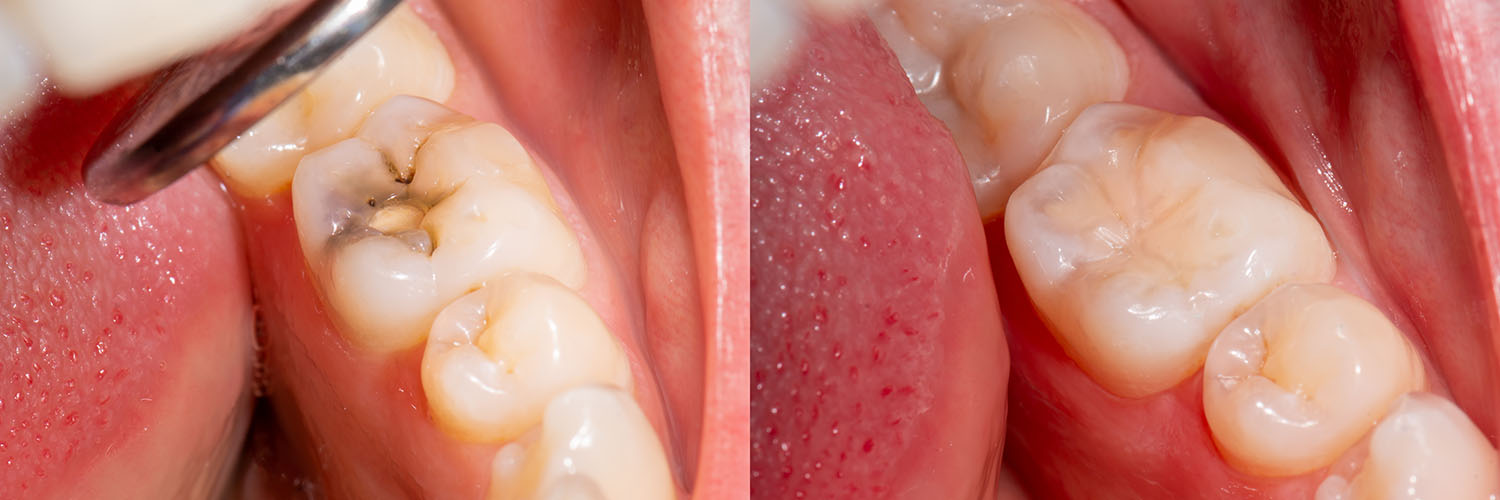
Safety also involves proper technique and infection control. We follow evidence-based protocols for isolation, bonding, and finishing that reduce the risk of complications. When a restoration is placed carefully and monitored over time, it supports oral health and helps avoid more extensive treatment later on.
After a filling, it’s normal to notice mild sensitivity to temperature or pressure for a few days; this typically subsides as the tooth recovers. Avoid chewing on very hard foods right away if the anesthetic has worn off but any unusual or persistent pain, especially sharp pain when biting, should be evaluated so adjustments can be made. Prompt attention prevents small issues from becoming larger problems.
Daily oral hygiene remains the foundation of preservation: thorough brushing, daily interdental cleaning, and routine dental visits help keep both natural teeth and restorations healthy. At regular checkups we examine restorations for marginal integrity, wear, or recurrent decay and recommend maintenance or replacement when necessary to sustain oral function and comfort.
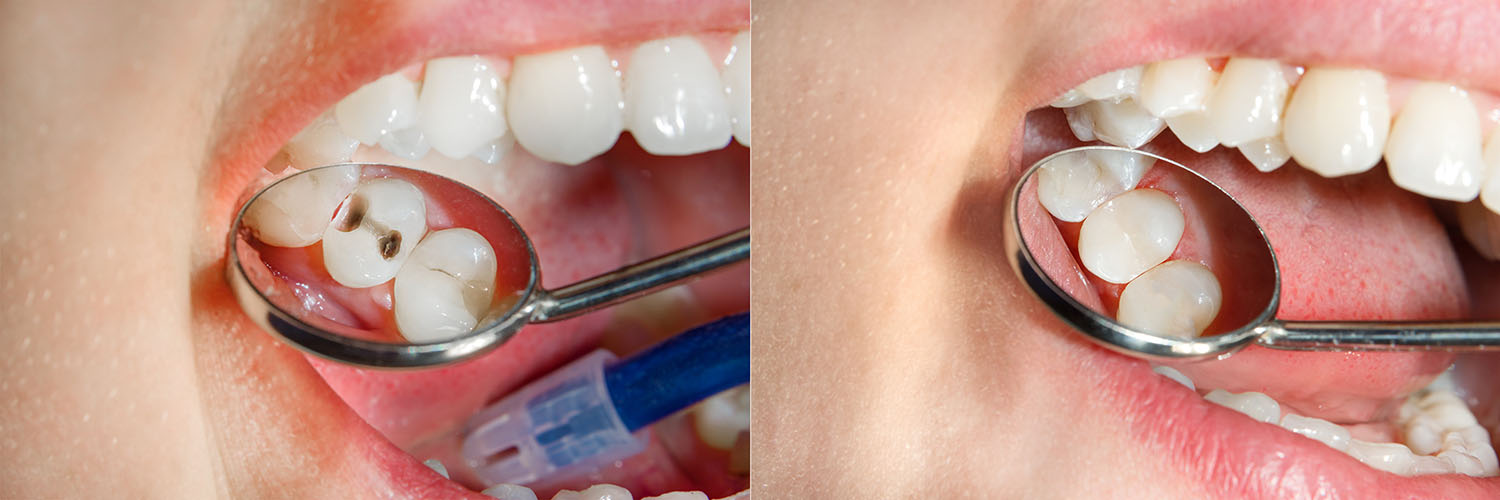
Brushing, flossing, and maintaining regular checkups at Portia J. Bell, DDS Inc. will help protect both your restorations and your overall oral health. If you notice discoloration at the edge of a filling, increased sensitivity, or any new discomfort, please contact our office so we can evaluate the situation and determine the most appropriate next steps.
In short: modern composite fillings offer an effective, tooth-conserving solution for cavities and minor tooth damage. With careful placement, routine care, and timely monitoring, they restore comfort and appearance while helping preserve your natural teeth for the long term. Contact us to learn more about how composite restorations may be the right choice for your smile.
Composite fillings are restorations made from advanced resin materials that are matched to your natural tooth shade and bonded to the tooth surface. The resin is placed in thin layers and hardened with a curing light, which creates a strong union with enamel and dentin. This bonding allows the dentist to replace only the damaged portion of the tooth while preserving healthy structure.
The layered technique also makes it possible to sculpt the restoration to the original anatomy and contact points, helping restore function and appearance simultaneously. Because composites mimic the translucency and color of natural teeth, they are often chosen for visible areas of the mouth as well as for posterior teeth where proper shaping is important for chewing. When placed with proper isolation and technique, composite fillings provide an unobtrusive repair that blends with the rest of the smile.
Composite fillings are typically recommended when a conservative, tooth-sparing restoration is appropriate for cavities, small-to-moderate fractures, or to replace failing restorations. They are especially valuable in visible areas where appearance matters because the material can be closely color-matched and polished to look like natural enamel. For larger defects or teeth with extensive structural loss, other options such as onlays or crowns may be more predictable long-term solutions.
The choice of material also depends on factors like the tooth's location, bite forces, and the extent of decay or damage. Your dentist will evaluate the site and discuss whether a composite restoration will provide the necessary strength and longevity or whether an alternative restoration is more suitable. This assessment ensures the selected treatment supports both function and oral health over time.
Most composite fillings are completed in a single visit following a careful evaluation of the tooth and surrounding tissues. Local anesthesia is used when needed to ensure comfort, and the area is isolated to keep the field dry for proper bonding; the dentist then removes decay, shapes the preparation, and places the composite in controlled increments. Each layer is cured with a light and sculpted to recreate the tooth's anatomy, after which the restoration is polished and the bite is checked.
At the office of Portia J. Bell, DDS we prioritize communication and patient comfort, so the team will explain each step and address any concerns during the procedure. If anxiety is an issue, options such as relaxation or sedation dentistry may be discussed to help you feel more at ease. When the appointment is complete, you will receive guidance on short-term care and what to expect as the tooth settles.
The lifespan of a composite filling varies based on the size and location of the restoration, your bite forces, oral hygiene habits, and regular professional care. Smaller restorations on low-stress surfaces often last many years, while larger fillings or those in heavy bite areas may experience faster wear and require earlier replacement. Regular brushing, daily interdental cleaning, and routine dental exams help detect wear or marginal breakdown early and extend the restoration's service life.
Other factors that influence longevity include the quality of the initial placement, how well the margin is sealed, and habits such as clenching or chewing hard objects. During periodic checkups your dentist evaluates each filling for signs of leakage, discoloration, or fracture and recommends maintenance or replacement when necessary to protect the tooth. Timely attention to minor issues often prevents more extensive treatment later on.
Contemporary composite resins are formulated without mercury and metal and have a long history of safe use when placed with proper technique and infection control. The material bonds directly to tooth structure, which reduces microleakage and helps seal margins against bacterial infiltration—an important factor in preventing recurrent decay. Clinically proven protocols for isolation, bonding, and finishing further minimize complications and support predictable outcomes.
As with any dental material, safety depends on correct application and ongoing monitoring; dentists follow evidence-based procedures to ensure restorations perform as intended. If you have specific health concerns or material sensitivities, discuss them with your dentist so appropriate alternatives or precautions can be considered. Regular exams allow the dental team to track restorations and address any concerns proactively.
After a composite filling it is normal to notice mild sensitivity to temperature or pressure for a few days as the tooth settles, and this generally resolves on its own. Avoid chewing very hard foods immediately until any numbness has fully worn off, and maintain regular oral hygiene with thorough brushing and daily interdental cleaning to protect the restoration and surrounding teeth. Over time, routine professional cleanings and exams help identify any wear or marginal breakdown that may need attention.
If sensitivity persists, you notice discoloration at the edge of a filling, or experience sharp pain when biting, contact Portia J. Bell, DDS so the restoration can be evaluated and adjusted if necessary. Prompt review of unusual symptoms reduces the risk of complications and helps preserve the tooth. Keeping scheduled checkups ensures fillings are monitored and maintained for long-term function.
After placement, a filling may feel slightly different as your mouth adjusts, but the dentist will check and adjust the bite so chewing feels natural and comfortable. The restoration is finished and polished to recreate proper contact points with neighboring teeth, which helps prevent food impaction and preserves efficient chewing. If the bite feels uneven or you experience discomfort when biting, a brief adjustment in the office usually resolves the issue.
It is important to report persistent or worsening bite-related symptoms so the dentist can reassess occlusion and the restoration's contours. Even small changes in anatomy can affect comfort over time, so timely follow-up ensures the repaired tooth functions harmoniously within your bite. In most cases, patients leave with a discreet, comfortable restoration that integrates well with surrounding teeth.
Yes, composite fillings are versatile and can be used on both anterior and posterior teeth, offering a balance of aesthetics and function. On front teeth, composites provide excellent color match and translucency for natural-looking repairs, while on back teeth they can be shaped to restore proper occlusal anatomy for chewing. The material's bonding properties make it suitable for many routine restorations across the mouth.
For very large restorations or when a tooth has substantial structural loss, indirect restorations such as onlays or crowns may be a more durable choice than a direct composite. Your dentist will evaluate the extent of damage and recommend the most appropriate option to achieve long-term strength and esthetics. The goal is to select a restoration that preserves tooth structure while restoring reliable function.
Conservative preparation for a composite filling takes advantage of the material's ability to bond to enamel and dentin, allowing removal of only the decayed or damaged portion of the tooth. By preserving healthy tooth structure, clinicians maintain more of the natural anatomy and internal strength, which supports long-term durability and reduces the need for larger restorations later. Smaller preparations also make it easier to recreate proper contact points and contours that protect against food trapping.
Preserving tooth structure aligns with the principles of long-term oral health because it delays or avoids more invasive procedures such as crowns or extractions. When decay is detected early and addressed with a well-placed composite, patients often experience fewer complications and retain more of their natural dentition. Regular dental exams and prompt treatment of small lesions are key to enabling conservative approaches.
You should contact the office promptly if you notice persistent or worsening sensitivity, a sharp pain when biting, visible cracks or roughness in the restoration, or if a filling feels loose or comes out. Discoloration at the margin, recurrent decay around the restoration, or new areas of tenderness are also reasons to seek evaluation so the dentist can diagnose the cause and recommend appropriate care. Early attention to these signs helps prevent minor issues from becoming more extensive problems.
Routine checkups allow your dental team to monitor restorations and intervene at the first sign of wear or breakdown, but patient-observed changes warrant an earlier visit. When you report symptoms, the dentist will assess the restoration, examine surrounding tooth structure, and discuss treatment options to restore comfort and protect oral health. Timely evaluation preserves function and helps maintain a stable, healthy smile.
Phone:
Fax:
(614) 532-7282
