

Dental anxiety is common; it affects millions of Americans and can keep otherwise conscientious patients from getting routine care. If the thought of a dental visit fills you with nervousness, the office of Portia J. Bell, DDS Inc. offers a compassionate, clinically sound approach to help you get the treatment you need without the fear. Our Relaxation Dentistry services are built around safety, clear communication, and techniques that let patients remain calm and comfortable during dental visits.
Choosing relaxation-focused care is not about taking shortcuts; it’s about removing barriers so you can maintain long-term oral health. Sedation options range from gentle inhaled agents to medically supervised intravenous sedation. Whatever approach is best for you, our team explains it clearly, monitors you carefully, and tailors the plan to your medical history and personal comfort.
Relaxation Dentistry seeks to reduce anxiety and physical discomfort so a patient can receive high-quality dental care with less stress. Rather than masking symptoms, sedation techniques are used alongside local anesthetic and modern dental practices to make procedures more tolerable. Patients typically report greater ease during treatment and often have little to no memory of the more stressful moments.
These services are not one-size-fits-all. A thorough pre-treatment evaluation helps our clinicians understand your medical background, current medications, and previous dental experiences. That evaluation guides the selection of a sedation method that balances effectiveness with safety and recovery considerations.
Monitoring is a core part of relaxation dentistry. While sedated, patients are observed for breathing, oxygenation, and cardiovascular stability using standard tracking equipment. Trained staff are present throughout the visit so adjustments can be made in real time and you can be cared for confidently from start to finish.

People seek relaxation dentistry for many reasons beyond a simple dislike of dental visits. Some patients have a true dental phobia that prevents routine care; others have a strong gag reflex, hypersensitive teeth, or conditions that make sitting for long procedures difficult. Sedation can transform an appointment from a stressful event into a manageable, even calm, experience.
Sedation is also helpful for patients who need extensive restorative work but prefer to reduce the number of visits. By combining several treatments into a single, well-managed appointment, sedation can reduce the overall disruption to daily life while still ensuring high-quality results, particularly when multiple procedures are clinically appropriate to complete at once.
Children, people with disabilities, or patients with cognitive or medical conditions that make cooperation challenging may also benefit from relaxation strategies. In these situations, sedation enables clinicians to deliver safe, thorough care that might otherwise be impossible, always with careful attention to the individual’s needs and medical guidelines.
Selecting the right sedation method begins with a detailed consultation. We review your health history, current medications, anxiety level, and the complexity of the planned dental work. This assessment helps our team recommend an approach that provides the desired level of comfort while minimizing risk.
Informed consent and patient education are essential. Before any sedative is given, we explain what to expect before, during, and after treatment, including recovery considerations and any temporary activity limits. Patients are encouraged to ask questions and participate in plan decisions so they feel confident and prepared.
Our clinicians and support staff are trained to follow established safety protocols for sedation: medication selection, dosing, airway management, and continuous monitoring. These safeguards reduce the chance of complications and allow us to focus on delivering smooth, efficient care in a calm environment.
Dental sedation covers a spectrum of approaches, from light relaxation to deeper, closely supervised states. It’s important to distinguish between levels of sedation and to match them to the procedure and patient needs. Below are clear descriptions of the most common options used in the dental office.
Conscious sedation produces a relaxed, often drowsy state, but patients typically remain able to respond to verbal cues and maintain their own breathing. It reduces anxiety and can blur the memory of the procedure. General anesthesia, by contrast, produces an unconscious state and is only used when absolutely necessary, typically under hospital conditions with anesthesia specialists.
When conscious sedation is selected, it is administered by qualified dental professionals and paired with continuous monitoring. The goal is to achieve a comfortable level of relaxation while preserving protective reflexes and stable vital signs. Appropriate fasting instructions, escort requirements, and post-treatment guidance are discussed beforehand.
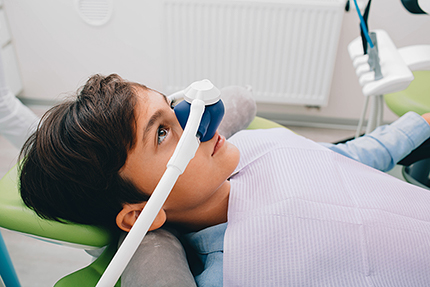
Nitrous oxide, commonly called “laughing gas,” is inhaled through a small nasal mask to ease anxiety and reduce sensitivity. Its effects begin quickly and wear off soon after the gas is turned off, allowing patients to recover rapidly and return to normal activities once they are fully alert.
Oral sedatives are prescribed to be taken before the appointment to induce a relaxed, drowsy state. Because these medications can impair coordination and judgment for several hours, patients will need someone to accompany them to and from the office and stay with them until they are recovered.
IV sedation delivers medication directly into the bloodstream, allowing providers to rapidly adjust the level of sedation and maintain it for the duration of longer or more complex procedures. IV sedation requires specific medical assessment, fasting instructions, and a responsible escort for the trip home.
Preparation improves safety and comfort. Before any sedated visit, you’ll receive clear instructions about medications, fasting, and arrival time. Accurate disclosure of your medical history and current medications helps the team tailor care and avoid interactions that could affect safety.
Recovery varies by method: nitrous oxide typically allows a quick return to normal activity, while oral and IV sedation often require rest and an escort. We make individualized aftercare plans and provide written guidance so patients know what to expect and how to support a smooth recovery at home.
Our priority is to help you feel secure from the moment you schedule your appointment through follow-up care. If sedation is recommended, the entire process is explained in plain language so you can make an informed decision that supports both your comfort and long-term oral health.
In summary, Relaxation Dentistry is a patient-centered approach that removes barriers to care by combining proven sedative techniques, careful monitoring, and individualized planning. If dental anxiety has kept you from getting the treatment you need, contact the office of Portia J. Bell, DDS Inc. for more information about our Relaxation Dentistry services and how we can help you feel more comfortable during dental care.
Relaxation dentistry uses medically supervised techniques to reduce anxiety and physical discomfort so patients can receive dental care with greater ease. It combines local anesthetic with sedation methods that range from mild relaxation to deeper, closely monitored states depending on the patient’s needs. The goal is not to shortcut care but to remove barriers that prevent patients from getting necessary treatment and maintaining long-term oral health.
These services are tailored to each individual through a careful consultation and safety review prior to treatment. Options commonly discussed include inhaled agents, oral sedatives, and IV sedation, all administered with continuous monitoring and trained staff present. Patients are given clear explanations about what to expect so they can make informed decisions about their comfort and care at the office of Portia J. Bell, DDS.
Good candidates include people with dental anxiety or phobia that prevents routine visits, those with a strong gag reflex, hypersensitive teeth, or medical conditions that make lengthy appointments difficult. Patients who need extensive restorative work and prefer fewer visits often benefit from combining procedures under sedation. The selection of candidates always considers medical history, current medications, and the complexity of planned treatment.
Children, individuals with disabilities, and patients with cognitive or behavioral conditions may also be appropriate candidates when sedation can improve safety and treatment quality. In these cases the approach is highly individualized and coordinated with caregivers and other health providers as needed. A pre-treatment evaluation determines whether sedation is the right, safe choice for each person.
Nitrous oxide is an inhaled agent that produces light, fast-acting relaxation and wears off quickly once the gas is stopped. It is often used for mild to moderate anxiety and is valued for its rapid recovery profile, making it a common choice for routine procedures. Because its effects diminish quickly, many patients are able to return to normal activities soon after treatment.
Oral sedation involves medications taken before an appointment to produce a deeper state of calm and drowsiness. These medications can blur memory and slow coordination for several hours, so patients must arrange for an escort and follow post-treatment precautions. Oral sedation is useful for moderate anxiety or when multiple procedures are planned in a single visit.
IV sedation delivers medication directly into the bloodstream for precise, adjustable control and is commonly used for longer or more complex procedures. It allows the clinician to titrate sedation levels in real time and is administered with strict monitoring and medical assessment. IV sedation requires careful planning, appropriate fasting, and a responsible escort for the trip home.
Determining the safest approach begins with a comprehensive consultation that reviews medical history, current medications, allergies, previous reactions to sedatives, and the anticipated complexity of the dental work. Clinicians assess physical status and may reference standard classification systems to gauge risk and select an appropriate level of sedation. This assessment guides medication selection, dosing, monitoring requirements, and any necessary medical clearances.
Informed consent and patient education are essential parts of the decision process so patients understand benefits, limitations, and recovery expectations. The team discusses pre-appointment instructions, potential interactions, and escort needs to ensure safety before the visit. Patients are encouraged to ask questions and to share any health changes prior to treatment so the plan can be adjusted accordingly.
Continuous monitoring is a core part of safe sedation and typically includes observation of breathing, oxygenation, heart rate, and blood pressure throughout the procedure. Many practices also use capnography to monitor ventilation and other standard tracking equipment to detect changes early. Trained staff remain present for the entire visit so adjustments can be made as needed and emergency protocols can be implemented promptly if required.
Clinicians follow established safety protocols covering medication selection, dosing, airway management, and post-procedure care. Equipment for basic life support and resuscitation is routinely available, and staff maintain current certifications in emergency response. These precautions reduce the likelihood of complications and allow the team to focus on delivering calm, efficient care.
Prior to a sedated visit you will receive specific instructions about fasting, medication management, arrival time, and any necessary medical clearances. It is important to provide a complete and accurate list of current medications and medical conditions so the team can avoid interactions and adjust plans as needed. Patients should arrange for a responsible adult to drive them home and to stay with them as directed after the appointment for safety during recovery.
Follow the office’s pre-appointment guidance closely and ask questions about anything that is unclear, including activity limits after treatment and when you may resume normal medications. Notify the practice promptly of any changes in your health before the appointment, such as recent illness or new prescriptions. Clear communication and preparation improve safety, comfort, and treatment outcomes.
Recovery depends on the type of sedation used: inhaled agents typically allow a quick return to baseline, while oral and IV sedation often require several hours of observation and rest. Patients may experience drowsiness, slowed coordination, and mild disorientation for a period after the appointment, and these effects can vary between individuals. Because judgment and reflexes may be impaired, an escort should remain with the patient until they are assessed as safe to be left alone.
Aftercare instructions are provided in writing and may include guidance on activity restrictions, what to eat and drink, and signs that warrant contacting the office. If you experience persistent or concerning symptoms following sedation, contact the dental office for advice and follow-up. The practice schedules follow-up as appropriate to confirm healing and address any questions about recovery.
Yes. Sedation can allow multiple procedures to be completed in a single, well-managed appointment when clinically appropriate, which reduces the number of visits a patient must undergo. This approach can be especially helpful for patients who have difficulty with repeated appointments due to time constraints, anxiety, or medical concerns. The decision to combine treatments under sedation is made carefully to balance efficiency with safety and clinical effectiveness.
When planning combined procedures, the dental team coordinates treatment sequencing, anesthetic needs, and recovery expectations so the visit proceeds smoothly. Pre-procedure planning also considers the total length of the appointment and the patient’s ability to tolerate it safely. Clear communication about the plan and realistic expectations helps ensure a successful outcome.
Relaxation dentistry can be a valuable option for children, patients with developmental disabilities, or individuals with cognitive or physical conditions that make cooperation during treatment challenging. In these populations the approach is individualized, with dosing, monitoring, and behavioral strategies adapted to the patient’s age, size, and medical status. Collaboration with caregivers and, when appropriate, other healthcare providers helps ensure the plan meets each patient’s needs.
Pediatric and special-needs sedation follows pediatric dosing guidelines and specialized monitoring to promote safety and comfort. For children, providers may combine distraction, communication techniques, and light sedation like nitrous oxide before considering deeper options. The primary goal is to enable safe, effective care while minimizing trauma and ensuring a positive, supported experience.
The office of Portia J. Bell, DDS emphasizes clear, plain-language communication so patients understand the purpose, benefits, risks, and recovery expectations associated with sedation. Informed consent is obtained after a thorough review of medical history, medication interactions, and alternative options, and patients are given written instructions to review at home. Staff encourage questions and make sure patients and caregivers feel prepared before treatment begins.
Continuity of care includes documented pre-appointment planning, attentive monitoring during the visit, and follow-up instructions and contacts for post-procedure concerns. The practice coordinates care when specialists or medical clearances are needed and schedules appropriate follow-up to assess healing and address any questions. This comprehensive approach supports safety, transparency, and positive clinical outcomes.
Phone:
Fax:
(614) 532-7282
