

Missing teeth affect far more than your smile’s appearance; they change how you eat, speak, and how your face holds its shape over time. Dental implants restore both form and function by replacing the tooth root as well as the visible crown, giving patients a stable, long-term solution that closely resembles natural teeth. For many adults, implants are the treatment that best balances durability, comfort, and aesthetics.
Implants are appropriate for a wide range of needs: a single gap between teeth, multiple missing teeth in a row, or complete arch replacement. Unlike removable options that sit on top of the gums, an implant integrates with the jawbone and serves as a secure foundation for crowns, bridges, or implant-retained dentures. That integration is the key to why implants can feel, look, and perform like your own teeth.
At the office of Portia J. Bell, DDS Inc., we evaluate each patient’s smile with careful attention to both oral health and lifestyle goals. We’ll explain how implants could fit into your overall care plan, what to expect during treatment, and how implant therapy can help you regain the comfortable, reliable function you once had.

A dental implant is a small, biocompatible post, typically titanium or a titanium alloy, designed to act as an artificial tooth root. Once surgically placed into the jaw, the implant undergoes osseointegration, a natural bonding process in which bone cells attach to the implant’s surface. This creates a stable anchor capable of supporting a prosthetic tooth much like a natural root would support a crown.
Above the implant an abutment connects the post to a custom-made crown, bridge, or denture. The prosthetic is designed to match the color, shape, and alignment of your remaining teeth so the finished restoration blends seamlessly. Because the implant interacts directly with bone rather than resting on gums, it provides a level of chewing strength and confidence that removable options often cannot match.
Implant technology has advanced steadily, improving options for patients with different bone levels, medical histories, and aesthetic goals. Our planning process takes all of these factors into account to determine the implant design and prosthetic solution best suited to your situation.
Dental implants are built to restore the functionality people miss when teeth are gone. Because they transfer bite forces into the jawbone like natural roots, implants permit comfortable chewing across a wide variety of foods and reduce the speech changes that can accompany removable appliances. Patients often report a significant boost in confidence simply because their restorations stay secure during everyday activities.
One of the most important long-term advantages of implants is their role in preserving bone. When a tooth root is absent, the surrounding bone gradually resorbs. An implant replaces that root and provides the stimulation bone needs to maintain its volume and shape, helping preserve facial contours and reducing the collapsed appearance that can occur after tooth loss.
Implants are also low-maintenance compared with many removable options; they don’t slip, and they aren’t subject to decay. With regular dental hygiene and routine checkups, implant-supported restorations can provide years of dependable function, making them an excellent choice for patients focused on lasting oral health.
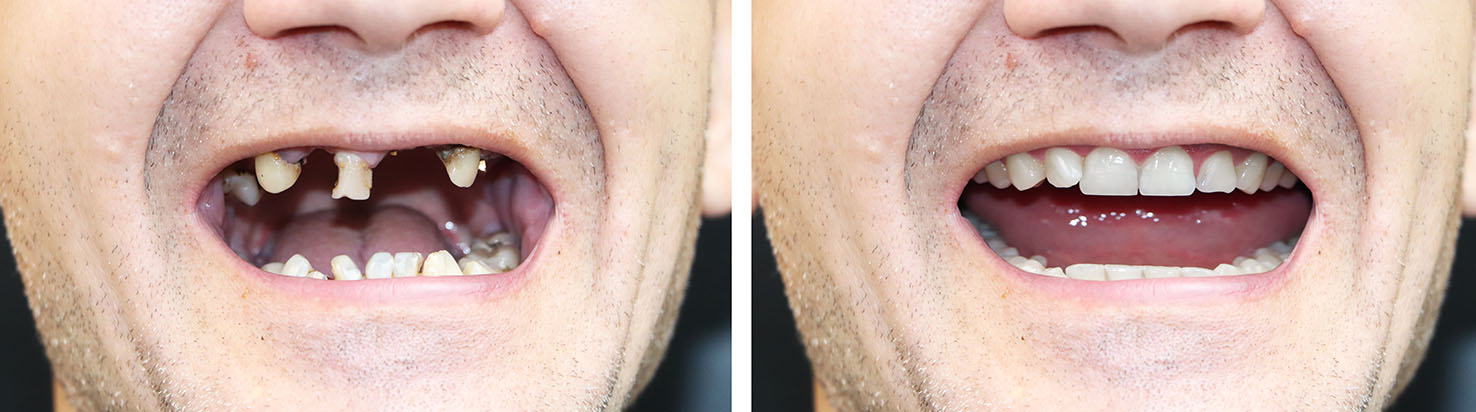
When a single tooth is missing, a crown on an implant recreates the complete tooth without the need to grind down neighboring teeth for a bridge. This targeted approach keeps surrounding natural teeth intact and preserves their long-term health while restoring the affected area with a durable, lifelike prosthetic.
For patients missing a series of teeth, implant-supported bridges use strategically placed implants to carry several replacement crowns. This avoids modifying adjacent healthy teeth and provides the bone stimulation required to reduce bone loss. The result is a strong, stable restoration that looks natural and supports oral function effectively.
Complete arch replacement can be accomplished with a handful of implants supporting a fixed prosthesis or with implant-retained dentures that snap to precision attachments. Fixed implant bridges sit permanently in the mouth and are designed to feel like natural teeth, while implant-retained overdentures improve retention and comfort while still being removable for cleaning. Both approaches remove many of the inconveniences associated with traditional dentures.
Not everyone begins treatment with the same oral foundation, and candidacy depends on several factors including overall health, remaining teeth, and the quality and quantity of jawbone. We perform a careful clinical exam and often use imaging to assess bone levels and to plan implant positions. If bone is insufficient, we’ll discuss bone-grafting options that can create a stable environment for implants.
Implant treatment typically proceeds in stages: surgical placement of the implant posts, a healing period to allow osseointegration, and then attachment of the abutment and final prosthesis. Many procedures are performed with local anesthesia and offer options for comfort-focused sedation when needed. Our team emphasizes clear communication at every visit so you know what to expect before, during, and after surgery.
Bone grafting is a predictable procedure used to rebuild bone lost to disease, injury, or long-standing tooth absence. Grafting can be done at the time of extraction or as a preparatory step before implant placement. When performed as indicated, grafting can significantly improve implant success by creating a better foundation for long-term stability.
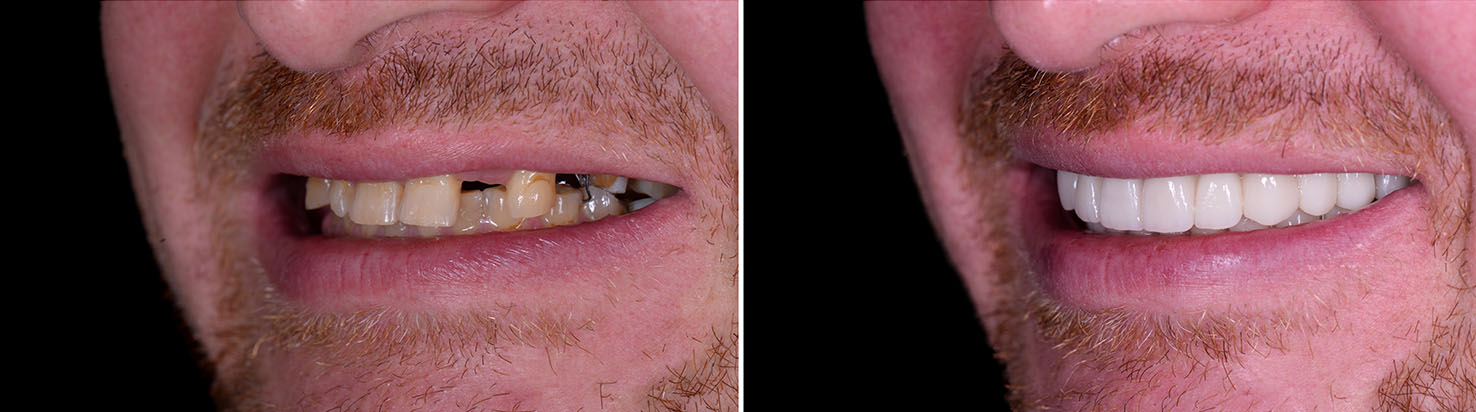
After implant placement there is a healing period during which the implant bonds with the jawbone; this timeline varies with the clinical situation. Some patients receive temporary teeth during healing, while others wait for full integration before receiving their final restorations. Regular follow-up visits allow us to monitor healing, confirm proper function, and schedule the steps needed to deliver the finished prosthesis.
Maintaining implants requires the same daily attention you give natural teeth: brushing, flossing, and attending routine dental cleanings and exams. Our hygienists will provide specific guidance to keep implants and surrounding tissues healthy, and we’ll suggest a recall schedule tailored to your needs.
Replacing missing teeth with dental implants can transform how you eat, speak, and feel about your smile. If you’re curious whether implants are a good fit for your situation, our team is ready to review your smile and share clear options tailored to your goals. We combine modern implant techniques with careful planning to help patients regain dependable function and natural-looking results.
Contact the office of Portia J. Bell, DDS Inc. to learn more about implant dentistry and how it can restore the health and appearance of your smile. Our staff will be happy to answer your questions and guide you through the next steps toward a confident, comfortable smile.
Dental implants are small biocompatible posts that replace missing tooth roots and provide a stable foundation for crowns, bridges, or dentures. Once placed in the jaw, implants undergo osseointegration, a natural process in which bone cells bond to the implant surface to create a strong, long-term anchor. The visible portion of the tooth is recreated with a custom prosthesis that is attached to an abutment seated on the implant.
The implant system restores both form and function by transferring bite forces into the jawbone like a natural root rather than resting on the gums. This root-level replacement preserves chewing ability and can improve comfort and speech compared with removable options. Careful planning and precise prosthetic design help the restoration blend with surrounding teeth for a natural appearance.
Good candidates for dental implants are adults in generally good health who have sufficient jawbone to support an implant or are willing to consider bone grafting when needed. We evaluate oral health, gum condition, bite relationships, and any medical factors that could affect healing to determine suitability. Patients of varying ages benefit from implant therapy when these foundational conditions are addressed.
Smoking, uncontrolled systemic conditions, and certain medications can affect healing and implant success, so candidacy is assessed on an individual basis. When bone volume or quality is limited, predictable grafting techniques can often create a stable environment for implants. Your dentist will present the options and a personalized plan based on your health and treatment goals.
The implant process usually begins with a comprehensive exam and imaging to plan the ideal implant position and prosthetic outcome. Surgical placement of the implant post is followed by a healing period during which osseointegration occurs; this timeline varies with the clinical situation and whether grafting or extractions are required. After integration, an abutment and the final restoration are placed, and adjustments are made to ensure comfortable function and proper aesthetics.
Most surgical steps are performed with local anesthesia and additional comfort-focused options if desired to help patients relax. Temporary restorations can often be provided during healing to maintain appearance and function when appropriate. Clear communication and scheduled follow-up visits help monitor healing and ensure each stage proceeds smoothly toward the finished result.
Implants restore the tooth root and therefore preserve jawbone stimulation, while traditional bridges and dentures typically rest on teeth or gums and do not replace the root. Because implants integrate with bone, they tend to offer improved chewing strength, stability, and a natural feel compared with removable dentures. Bridges rely on adjacent teeth for support and may require alteration of healthy tooth structure, which implants often avoid when used for single-tooth replacement.
Removable dentures can be a practical solution in some cases, and implant-retained overdentures combine the advantages of both approaches by improving retention and comfort. Fixed implant restorations, such as implant-supported bridges or full-arch prostheses, provide a nonremovable option that closely mimics natural dentition. Your clinician will review the prosthetic choices based on oral health, function, and aesthetic priorities.
Osseointegration is the biological process by which living bone attaches to the surface of an implant, creating a secure and stable interface between implant and jaw. This direct bone-to-implant connection is essential because it enables the implant to withstand normal chewing forces and function like a natural tooth root. Without reliable osseointegration, the implant would not achieve the long-term stability required for a successful restoration.
The rate and quality of osseointegration depend on factors such as bone health, surgical technique, implant design, and overall patient health. Preoperative planning and, when necessary, grafting procedures help create the conditions that support strong integration. Postoperative care and monitoring are important to confirm successful healing and readiness for the final prosthesis.
Yes. By replacing the tooth root, implants transmit functional forces into the jawbone and help maintain bone volume and density over time. When a tooth is missing and no root is present, the surrounding bone often undergoes gradual resorption, which can alter facial contours and lead to a collapsed appearance in the long term. Implants counteract this process by supplying the stimulation bone needs to preserve its shape.
Maintaining bone also supports neighboring teeth and contributes to a stable foundation for future dental work if needed. Even when bone loss has already occurred, modern grafting techniques can rebuild support to enable implant placement in many cases. Your dentist will evaluate bone levels with imaging and recommend the appropriate sequence of treatments to protect both function and facial aesthetics.
Implants can support a wide range of restorations, from single crowns that replace one tooth to multiunit bridges and full-arch prostheses that restore all teeth in an arch. Single implants restore an individual tooth without affecting adjacent natural teeth, while implant-supported bridges allow multiple missing teeth to be replaced using strategically placed implants as anchors. For complete arches, options include fixed implant bridges and removable implant-retained overdentures that snap securely to attachments.
The choice between fixed and removable solutions depends on factors such as bone volume, patient preference, hygiene access, and functional needs. Both approaches aim to deliver reliable function and improved quality of life compared with traditional removable appliances. A treatment plan will outline which restoration type best suits your anatomy and long-term goals.
Bone grafting is considered when the jaw lacks the volume or quality of bone needed to support a dental implant reliably. Grafting can be performed at the time of tooth extraction or as a separate preparatory procedure to rebuild lost bone using the patient’s own bone, donor material, or synthetic grafts. The graft provides a scaffold for new bone formation and, once healed, creates a stable foundation for implant placement.
Grafting procedures are predictable and vary in complexity depending on the amount of augmentation required and the location in the mouth. Recovery typically involves a period of healing before implant surgery can proceed, and follow-up imaging confirms that sufficient bone has formed. Your dentist will explain the recommended grafting approach, healing timeline, and how it supports long-term implant success.
Long-term implant care focuses on the same principles as caring for natural teeth: regular brushing, daily interdental cleaning, and routine dental checkups with professional cleanings. Effective plaque control and attention to the health of surrounding gums are crucial because peri-implant tissues support the implant and prosthesis. Your dental team will demonstrate techniques and recommend specific tools, such as interdental brushes or floss designed for implants.
Regular follow-up appointments allow the clinician to monitor the implant, assess tissue health, and make maintenance recommendations tailored to your situation. Avoiding tobacco and managing systemic health conditions can also improve implant longevity. With proper home care and periodic professional evaluation, implant restorations can provide many years of dependable function.
If you are considering implant therapy, the first step is a comprehensive consultation and examination to review your dental history, perform a clinical evaluation, and obtain any necessary imaging. During this visit our team will discuss your goals, explain the diagnostic findings, and outline the personalized treatment sequence needed to replace missing teeth and restore function. We place emphasis on clear communication so you understand each stage of care and the expected timeline.
To schedule an implant consultation at Portia J. Bell, DDS, call (614) 471-1161 or visit our office at 2710 Crossroads Plaza Drive, Columbus, OH 43219. Our team will answer questions about the process, arrange appropriate imaging, and help you plan the appointments needed to move forward. We will also review home-care recommendations and follow-up scheduling to support a successful long-term outcome.
Phone:
Fax:
(614) 532-7282
