

At the office of Portia J. Bell, DDS Inc., the health and development of your child's smile are our top priorities. Our goals are to help children establish a strong foundation for a lifetime of good oral health and experience the benefits of healthy, beautiful smiles.

All parents want what's best for their families. When good oral care, including routine dental checkups, start at an early age, our office can closely monitor the development and health of your child's smile as they grow. It's essential to keep in mind that preventive care and timely treatment for any emerging dental issues not only helps to ensure ongoing oral health but also supports overall well-being, and contributes to a positive self-image.
You can rest assured that your child's smile is in the best of hands at our office! We provide gentle and precise care in an environment that's comfortable, warm, and engaging. At the office of Portia J. Bell, DDS Inc., we offer a comprehensive range of dental services designed to address the dental needs of children of all ages. Whether it's your little one's first trip to the dentist, a routine visit, treatment for a dental emergency, or more, we're well equipped to provide the care that's needed.
We take a proactive approach and emphasize the importance of dental prevention as the key to good oral health. We provide you and your child with the resources as well as the tools to establish an effective brushing and flossing routine and offer nutritional guidance and advice on potentially harmful oral habits. Our entire team strives to make each visit with your child a positive, informative, and beneficial experience.
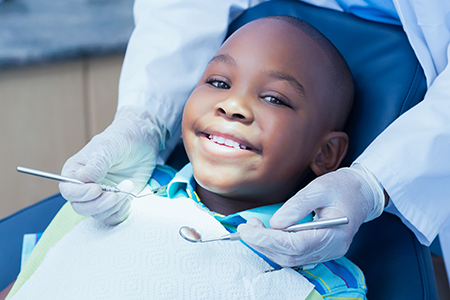
Studies show that children and teens lose an estimated 51 million school hours each year to dental problems. To help your child maintain optimal oral health and a smile that's healthy and bright, we recommend dental checkups and cleanings twice a year.
As skilled and compassionate providers of care, we understand all aspects of dental development and are sensitive to the unique needs of children. At each periodic exam, a member of our professional team will review your child's medical and dental history and then perform a thorough clinical assessment of the teeth, gums, jaws, and the surrounding oral tissues. We'll also check your child's bite, jaw alignment, and function.
Because it's vital to see what's going on below the surface, we'll take digital radiographs as needed, to check for the presence of any cavities, or infection and to evaluate the position of your child's developing teeth and the health of jaw bone. We'll also perform a professional dental cleaning to eliminate any plaque or debris that has accumulated between the teeth or in hard to reach places.
At every stage of your child's development, we'll advise you on the most effective methods of keeping his or her teeth clean and discuss the foods, beverages, and harmful oral habits that can lead to problems. While it can be difficult sometimes to get children into a regular oral hygiene routine, we'll give you tips and advice on how to make brushing and flossing a fun part of their daily activities. As your trusted partner you can rely on the office of Portia J. Bell, DDS Inc. to keep a close watch on your child's oral health and development.
Establishing a dental partnership when your child is small
Keeping your baby's and toddler's teeth clean
Not allowing your baby to sleep with a bottle of milk or juice.
Bringing your child to the dentist for routine checkups and care
Leading by example and encouraging the recommended tooth brushing and flossing routine
Promoting wise dietary choices and healthy snacking, including replacing sugary drinks with water and limiting sweets
Providing supportive guidance to help your child put away their pacifier and stop thumb or finger sucking at the appropriate time
Making sure your child wears a mouthguard when playing specific sports

Even before your child is born, your little one's first set of teeth is already forming. As a matter of fact, by the time your baby is a year old, some of the front teeth will have already emerged into place. For this reason, it's essential to establish an oral care routine at an early age. As per the recommendations of the American Dental Association and the American Academy of Pediatric Dentistry, parents are encouraged to have their baby see the dentist around the time of their first birthday.
Childhood is a time of incredible physical and emotional changes. As kids go through several stages of development, so do their teeth. Many things, including both genetic and environmental factors, contribute to the health and appearance of your child's smile. While some issues cannot be prevented, there's still a lot you can do to help ensure your child experiences optimal oral health and develops an attractive, functional smile. Our office will make sure your children are instructed in the best methods for caring for their teeth and will provide them with useful, age-appropriate information on following a healthy diet as well as make them aware of which oral habits and activities may be harmful to their teeth and overall well being.
In addition to checking for the presence of dental disease, we also monitor your child's facial growth, jaw development, and alignment of their smile. If orthodontic treatment is indicated, we'll advise you of our recommendations for care. Since many children and teens wear braces, paying extra attention to what they eat and how they maintain their oral hygiene is of the utmost importance.
Beyond good oral hygiene and routine dental care, a balanced, nutritious diet is essential for a healthy smile in a growing child. Sticky, sugary foods and drinks are not only harmful to children's oral health but also detrimental to their overall well-being. A diet rich in nutrients is critical for optimal growth and development and keeping the teeth and gums strong.
Dental organizations recommend that a child have their first dental visit by the time they turn 1 or within six months after the first tooth appears. This early visit lets the dentist check growth and development and identify any emerging concerns before they become problems. Parents also receive guidance on oral hygiene for infants, teething care, and preventive strategies tailored to their child's needs.
The appointment is typically brief and focused on education, a gentle exam, and establishing a dental home for ongoing care. A warm, child-friendly environment helps children become comfortable with the dentist and reduces future anxiety. If additional care or monitoring is needed, the dentist will explain next steps and schedule appropriate follow-up.
For most children, routine dental checkups and professional cleanings every six months are recommended to maintain oral health and catch problems early. Children at higher risk for cavities or with special dental needs may need visits more frequently based on the dentist's assessment. These visits include an exam, a cleaning, and individualized advice to support daily home care.
During exams the dentist will review medical history, evaluate dental development, and take digital radiographs when indicated to see beneath the surface. Preventive treatments such as fluoride varnish or sealants may be recommended to strengthen enamel and protect chewing surfaces. The goal of recall scheduling is to create a preventative plan that fits each child's unique growth and risk profile.
Cavities form when bacteria in the mouth feed on sugars and produce acids that damage tooth enamel, so limiting sugar exposure is essential. To prevent baby bottle tooth decay, avoid putting a child to bed with bottles containing milk, formula, or juice and offer water when appropriate. Regularly wiping gums and brushing erupting teeth with an infant brush and a smear of fluoride toothpaste helps reduce bacterial buildup.
Establishing healthy routines, including scheduled meals and water between feedings, reduces prolonged exposure to fermentable carbohydrates. The dentist can assess a child's cavity risk and suggest personalized measures like fluoride varnish or more frequent cleanings when needed. Early preventive care not only protects baby teeth but also supports the long-term health of permanent teeth.
Fluoride treatments and dental sealants are evidence-based preventive tools that strengthen enamel and reduce the risk of decay. Fluoride varnish is applied in small amounts during a dental visit and works by enhancing remineralization of enamel. Sealants are thin protective coatings placed on the grooves of permanent molars and premolars to block bacteria and food particles.
Both treatments are safe when applied by a dental professional and are recommended according to a child's age and individual risk factors. Your dentist will discuss the benefits and timing of fluoride and sealants and include them in a prevention plan when appropriate. When combined with good home care and a balanced diet, fluoride and sealants significantly lower the chance of cavities.
Teething can make infants irritable, cause increased drooling, disrupted sleep, and reluctance to feed, but it is a normal developmental stage. Safe soothing measures include chilled teething rings, gentle gum massage with a clean finger or cloth, and comfortable cuddling. Avoid topical numbing gels not specifically recommended by your dentist, and never give aspirin for teething discomfort.
If symptoms include high fever, prolonged refusal to eat, or swelling and bleeding beyond what seems normal, contact your dentist for guidance. Your dental team can review safe pain management options and assess whether any oral concerns require treatment. Regular early dental visits also let the dentist monitor eruption patterns and ensure development is on track.
Children who feel anxious at the dentist often benefit from behavior guidance techniques that build trust and reduce fear. Approaches such as "tell-show-do," positive reinforcement, and gradual exposure help most kids cooperate for routine care. The dental team will work with parents to prepare children for visits and teach coping strategies that translate to future appointments.
At the office of Portia J. Bell, DDS we provide a calm, child-centered environment and can discuss options like nitrous oxide or other forms of sedation when appropriate. Any decision about sedation is made with safety in mind and tailored to the child's medical history and level of need. Open communication before the visit helps set expectations and ensures the most comfortable experience possible.
For trauma such as a knocked-out permanent tooth, time is critical: find the tooth, handle it by the crown, rinse gently, and attempt reimplantation only if advised. If reimplanting is not possible, keep the tooth moist in milk, saline, or the child's saliva and seek emergency dental care right away. For severe bleeding, swelling, or signs of infection, seek prompt professional attention to protect oral and overall health.
For toothaches or suspected dental infections, rinse with warm water, use a cold compress for swelling, and contact your dentist to schedule an urgent evaluation. Avoid placing aspirin or other medications directly on the gums, and do not delay care if pain or swelling is significant. Early treatment of traumatic injuries and infections increases the chances of saving natural teeth and minimizing complications.
Orthodontic issues often become apparent as a child's primary teeth are replaced by permanent teeth, and early screening helps identify problems that may benefit from timely intervention. The American Association of Orthodontists recommends an orthodontic evaluation by age 7, when clear signs of developing bite problems can be detected. Early assessment allows the dental team to monitor growth and determine whether interceptive treatment or later orthodontics will be most effective.
Signs to watch for include difficulty chewing, crowded or extra teeth, early or late loss of baby teeth, and jaws that shift or make sounds. If orthodontic treatment is indicated, your dentist will explain the options, appropriate timing, and recommended specialists for care. Coordinating regular dental and orthodontic evaluations ensures a comprehensive plan that supports healthy facial growth and function.
A properly fitted mouthguard significantly reduces the risk of dental injuries in children who participate in contact or collision sports. Store-bought stock guards offer minimal protection, while boil-and-bite models provide a better fit; a custom mouthguard made by a dentist offers the best combination of comfort and safety. The dentist can recommend the most appropriate type based on the child's age, sport, and orthodontic appliances.
Children should wear their mouthguards during practices and games, and parents should inspect them regularly for wear and replace them as needed. Custom mouthguards are especially recommended for athletes who wear braces because they can be designed to accommodate appliances and reduce trauma. Discussing sports participation during routine dental visits makes it easy to address protective needs proactively.
A balanced diet rich in calcium, phosphorus, and vitamins supports strong tooth and jaw development while limiting sugary and sticky foods reduces cavity risk. Encouraging water instead of sweetened drinks and offering tooth-friendly snacks like raw vegetables, cheese, and yogurt helps protect enamel between visits. Regular meal and snack schedules prevent constant sugar exposure and make it easier for parents to supervise brushing after eating.
Habits such as prolonged pacifier use or thumb sucking beyond preschool years can affect dental alignment and may warrant gentle intervention. The office of Portia J. Bell, DDS can provide guidance on habit cessation strategies and monitor any changes in bite or speech development. Working with your dental team to combine habit guidance, nutrition counseling, and preventive care maximizes the chances of a healthy, functional smile.
Phone:
Fax:
(614) 532-7282
