

Deciding to remove a tooth is rarely the first option; our priority is always to preserve natural teeth when possible. Still, there are circumstances where extraction is the most responsible choice to protect a patient's long-term oral health and quality of life. When a tooth is causing ongoing infection, pain, or jeopardizing neighboring teeth, removing it can stop more serious problems from developing.
At our practice we take a careful, patient-centered approach to every recommendation. We begin with a thorough exam, a review of your medical history, and any necessary imaging so you and your clinician can weigh the benefits and implications of extraction versus trying to save the tooth. The goal is a treatment plan that restores comfort, function, and a healthy mouth for years to come.
Extraction is also sometimes the strategic step in broader care: for example, to make room for orthodontic movement or to eliminate a source of chronic gum disease. We explain the rationale for removal in clear terms and outline the steps that follow so patients understand what to expect before, during, and after the procedure.
Primary (baby) teeth that interfere with normal development
When a primary tooth fails to loosen on schedule, it can block the eruption path of the permanent tooth beneath it. That can cause misalignment or impaction. In those cases, timely removal of the baby tooth helps the permanent tooth come into place properly and reduces the need for more complex treatment later.
Permanent teeth with irreversible decay or structural loss
If decay has destroyed most of a tooth’s structure or reached the nerve in a way that cannot be predictably restored, extraction may be the safest option. Removing a non-restorable tooth prevents persistent infection and pain and protects nearby teeth and tissues.
Teeth broken beyond repair
Severe fractures that extend below the gumline or involve the tooth root can render a tooth unsalvageable. When remaining structure will not support a reliable restoration, removal avoids ongoing problems and allows planning for replacement if needed.
Advanced periodontal disease
Long-standing gum disease can erode the bone and soft tissue that hold teeth in place. When a tooth becomes loose or the surrounding support is compromised, extraction may be the most predictable way to restore oral health and prevent further bone loss.
Impacted or problematic third molars
Wisdom teeth that lack room to erupt properly often become trapped, inflamed, or destructive to adjacent teeth. Removing these teeth before they cause damage is commonly recommended, particularly when they threaten bite alignment or repeatedly become infected.
Extractions as part of orthodontic planning
In some orthodontic cases, removing one or more permanent teeth creates the space required to align the bite and achieve a balanced, functional smile. These decisions are made in collaboration with an orthodontist or our restorative team to support the overall treatment goals.

Preparation begins long before you arrive in the treatment chair. We review your full medical and dental history, current medications, and any chronic conditions that could affect care. This helps us identify interactions, preoperative precautions, or the need for medical clearance from your physician.
Diagnostic imaging, typically digital radiographs, gives us a clear view of the tooth’s root shape, proximity to nerves or sinuses, and the condition of surrounding bone. That information determines whether a tooth is suitable for a simple removal or requires a more complex surgical approach. We discuss these findings with you in plain language and invite questions so the plan is understood and comfortable for the patient.
We also talk through anesthesia and comfort options. Most extractions are performed under local anesthesia, but for anxious patients or more extensive procedures we can offer additional sedation options. You’ll receive straightforward preoperative instructions to help minimize risk and ensure the procedure goes smoothly.
Extractions range from quick removals of visible teeth to surgical procedures that require incisions and bone modification. Regardless of the type, our priority is patient comfort, tissue preservation, and precise technique to promote predictable healing. We walk patients through every step so there’s no surprise about what will happen.
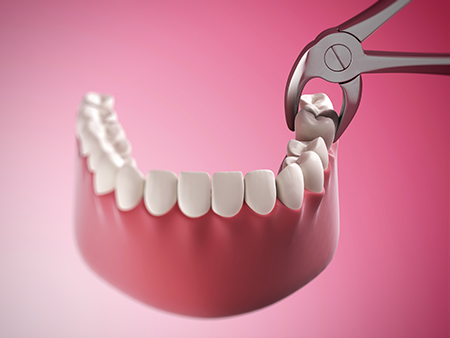
A simple extraction is used when the tooth is fully visible and the root anatomy is straightforward. After numbing the area with a local anesthetic, the dentist gently loosens the tooth and removes it using forceps. The process is typically brief, and patients feel pressure rather than sharp pain. If needed, we provide an option for light sedation to help nervous patients relax.
Surgical extraction is the approach for impacted, fractured, or ankylosed teeth. This procedure may involve a small incision, removal of a limited amount of bone, or sectioning the tooth to remove it safely. For these cases we may coordinate care with an oral surgeon. Local anesthesia is used for comfort, and additional sedation can be arranged based on the complexity of the procedure and the patient’s needs.
Recovery after an extraction is a process with predictable stages. The first 24–48 hours are critical for clot formation and minimizing swelling. Following clear post-op directions helps prevent complications and speeds recovery. We provide written instructions tailored to your case and are available by phone if unexpected symptoms occur.
Managing discomfort typically involves over-the-counter pain relievers or, in some cases, a short course of prescription medication. If antibiotics are indicated to control infection risk, we’ll explain dosing and duration. It’s important to follow all medication directions and to let us know about any allergies or prior reactions to antibiotics or anesthetics.
Simple measures at home (rest, cold compresses for swelling, and a soft-food diet for a few days) go a long way. Avoid activities that create suction in the mouth, such as drinking through a straw or smoking, as these can dislodge the clot and lead to delayed healing. We’ll schedule follow-up as needed to monitor stitches or check that healing is progressing as expected.
Control bleeding with firm but gentle pressure
Bite on the supplied gauze for the time recommended. Changing the gauze once is normal; continue light pressure if bleeding persists. A small amount of oozing over 24 hours can be expected.
Protect numb tissues
Remain mindful until the anesthesia fully wears off to prevent accidental bites on lips or tongue.
Follow your medication plan
Take any prescribed antibiotics and pain medications exactly as directed. Over-the-counter pain relievers can often be effective for routine discomfort.
Preserve the blood clot
Avoid rinsing vigorously, spitting, or using a straw during the first day or two. Gentle saltwater rinses can be introduced after 24–48 hours if recommended.
Manage swelling and activity
Apply ice intermittently on the first day and keep activity levels modest. Swelling typically peaks 48 hours after the procedure and then gradually subsides.
Avoid tobacco and irritants
Smoking and tobacco use interfere with clot stability and tissue healing; avoid them for at least a week following extraction.
Choose soft, nourishing foods
Cool, soft foods and plenty of fluids are ideal for the first few days. Avoid hot, spicy, or crunchy items that might irritate the site.
Maintain gentle oral hygiene
Keep the rest of your mouth clean by brushing carefully. When advised, use mild saltwater rinses to freshen the area without disturbing healing tissues.
Attend scheduled follow-up
If sutures were placed or if healing needs supervision, we’ll arrange a follow-up visit to remove stitches or reassess the extraction site.
If you notice persistent bleeding, increasing pain, fever, or other concerning symptoms, contact our office so we can evaluate and guide you promptly.
Removing a tooth is often the first step in a longer plan to restore comfort and chewing function. Once healing is complete, we discuss replacement choices that match your needs and preferences. Options commonly include removable dentures, fixed bridges, or dental implants; each has advantages depending on the location of the missing tooth, bone volume, and your overall health.
Dental implants provide a long-term solution that closely mimics a natural tooth’s function and appearance and help preserve surrounding bone. Bridges and dentures can be excellent solutions as well, especially when implants are not the ideal choice. We’ll review pros and cons for your situation and create a restoration plan that aligns with your oral health goals.
Throughout this process, our team coordinates care and communicates clearly about timing, healing milestones, and what to expect at each stage. If replacement is recommended, we work with you to select the safest, most effective option for restoring your smile and bite.
Your comfort, safety, and long-term oral health guide every recommendation we make. With nearly four decades serving Columbus neighborhoods, Portia J. Bell, DDS Inc. and the team bring experienced judgment, up-to-date techniques, and a thoughtful approach to extractions and follow-up care. We prioritize minimally invasive methods and clear communication so patients feel informed and at ease.
When an extraction becomes necessary, our focus is on predictable outcomes, attentive aftercare, and planning for restoration so you regain function and confidence. We welcome questions and take time to discuss alternatives whenever they are available, ensuring each patient receives care tailored to their needs.
To learn more about tooth extractions or to discuss whether extraction is the right step for you, please contact us for more information.
A tooth extraction is the removal of a tooth from its socket in the jaw. It is recommended when a tooth cannot be predictably restored or is causing harm to surrounding tissues. Common reasons for extraction include severe decay, persistent infection, extensive fracture, advanced periodontal disease, and impacted teeth.
Extractions are also used for primary teeth that block permanent eruption or as part of orthodontic and restorative planning. When removal is advised, the objective is to stop pain, protect overall oral health, and create the best long-term result for function and appearance. Your clinician will explain the rationale and any alternatives so you can make an informed decision.
Preserving natural teeth is the priority whenever a durable, predictable restoration is available. We evaluate the extent of decay or fracture, the health of the root and surrounding bone, the tooth's role in the bite, and the likelihood of long-term success with treatments such as crowns, root canal therapy, or periodontal procedures. Patient medical history and preferences are also important factors in the decision.
If a tooth cannot be restored reliably or if it poses ongoing risk to adjacent teeth and tissues, extraction becomes the more responsible choice. We discuss the benefits and limitations of each option, outline the expected outcomes, and recommend a plan that aligns with your oral health goals and overall wellbeing.
Evaluation begins with a thorough medical and dental history and a clinical exam to assess the tooth and supporting structures. Diagnostic imaging, typically digital radiographs, shows root shape, bone level, and proximity to nerves or sinuses, which guides whether a simple or surgical approach is needed. This information helps us craft a safe, individualized treatment plan.
We review medications, allergies, and systemic conditions to identify any special precautions or the need for medical clearance. You will receive a clear explanation of the procedure, anesthesia options, and preoperative instructions, and you will have an opportunity to ask questions before giving consent.
A simple extraction is used for teeth that are fully visible in the mouth with roots that are accessible and straightforward. After local anesthesia, the dentist gently loosens the tooth and removes it with forceps; the procedure is typically brief and patients usually feel pressure rather than sharp pain. Recovery from a simple extraction is generally quick when care instructions are followed.
Surgical extraction is required for impacted teeth, fractured roots, or teeth with complex root anatomy and may involve a small incision, removal of a bit of bone, or sectioning the tooth for safe removal. These procedures can take longer and may require sutures, and we may coordinate care with an oral surgeon when appropriate. Local anesthesia is used and additional sedation can be provided for comfort as needed.
Local anesthesia is the foundation of comfortable extraction care and reliably numbs the treatment area so patients do not feel pain during the procedure. For patients with anxiety or for more involved surgeries, we offer nitrous oxide, oral sedation, or intravenous sedation to provide deeper relaxation. The choice of sedation is individualized based on medical history, anxiety level, and procedural complexity.
Before any sedation we review medications, fasting requirements, and the need for a responsible adult to accompany the patient home. We explain the risks and benefits of each option so patients can select the level of comfort that suits them while maintaining safety throughout the procedure.
Preparation includes providing a complete list of medications and medical conditions so we can identify interactions or special precautions. If you will receive moderate sedation or general anesthesia, you may need to fast and arrange for a responsible adult to drive you home after the appointment. Patients taking blood thinners or with certain medical conditions should consult with their physician before the procedure so we can plan appropriately.
Wear comfortable clothing and bring a list of questions so you feel confident about the plan and aftercare. Avoid smoking before the appointment when possible, and arrange for soft foods and a low-activity schedule for the first day or two after the extraction. Our staff will give tailored preoperative instructions and confirm any important details before your visit.
Healing after an extraction follows predictable stages, with clot formation and initial tissue repair occurring in the first 24 to 48 hours. Swelling and soreness usually peak around 48 hours and then gradually improve; managing symptoms with cold packs, rest, and recommended medications supports recovery. It is important to protect the blood clot by avoiding vigorous rinsing, spitting, or using straws during the early phase.
Most patients can resume routine activities within a few days, although strenuous exercise should be delayed for a short time. Gentle oral hygiene around the site, a soft-food diet, and avoidance of tobacco promote healing and reduce complication risk. We schedule follow-up as needed and are available by phone if unexpected symptoms occur.
The most common postoperative issue is a dry socket, which happens when the blood clot is dislodged and the underlying bone is exposed, often causing increased pain a few days after extraction. Other possible complications include infection, prolonged bleeding, or, rarely, nerve irritation in areas close to certain roots. Early recognition and prompt evaluation help us address problems effectively.
If you experience severe pain, persistent bleeding, fever, or swelling that worsens after the first 48 hours, contact our office for assessment. Treatment may include local irrigation, placement of a medicated dressing, pain control measures, and antibiotics when indicated. Our team prioritizes timely care and clear instructions to resolve issues and support recovery.
Replacing a missing tooth is often recommended to restore chewing function, maintain bite balance, and preserve bone. Common replacement options include dental implants, fixed bridges, and removable partial dentures, and the appropriate choice depends on the tooth's location, bone volume, and overall health. Dental implants frequently offer the most natural function and help protect adjacent bone, though individual suitability varies.
Timing for replacement depends on clinical factors: some cases allow immediate implant placement at the time of extraction, while others benefit from a healing period and possible bone grafting to optimize outcomes. We review the pros and cons of each approach and coordinate any additional procedures to create a stable foundation for the final restoration. Your clinician will present a personalized plan that balances predictable healing with long-term success.
Our practice combines long-standing experience with a patient-centered approach that emphasizes comfort, clear communication, and predictable outcomes for every generation. With nearly four decades serving Columbus families, we prioritize minimally invasive techniques, thorough planning, and coordination with specialists when needed. Patients are guided through every step so they understand the plan, anesthesia options, and what to expect during recovery.
Portia J. Bell, DDS and the team are committed to evidence-based care for children and adults alike, from routine extractions of primary teeth to complex surgical cases. If you have questions about whether extraction is the right step for you or want to discuss sedation and replacement options, our office is available to develop an individualized treatment plan that supports long-term oral health.
Phone:
Fax:
(614) 532-7282
